For Zones 3 - 5 (the cold - zone areas), tomato and pepper seeds are great for starting indoors. You can find a wide variety of these at local garden centers like Home Depot or Lowe’s. Lettuce, spinach, carrot, onion, potato, and radish seeds are also essential.
In Zones 6 - 7 (temperate zones), in addition to the above, you might consider getting some pre - started lettuce and spinach seedlings, which can give you a head start.
Good quality potting soil is a must, especially if you're starting seeds indoors. For container gardening, which is popular in the US, use containers with proper drainage holes. You can use plastic pots, clay pots, or even recycled containers. If you're using a raised bed, make sure to fill it with a mixture of garden soil, compost, and aged manure. Aim for a soil pH of around 6.0 - 7.0, which is suitable for most vegetables.
A small trowel for planting seeds and seedlings.
A watering can or a hose with a gentle spray nozzle for watering.
If starting seeds indoors, you may need grow lights to provide sufficient light, especially in the colder zones where sunlight might be limited.
Step 1: Start Seeds Indoors
Tomato and pepper seeds should be started indoors in late February or early March. Fill seed - starting trays with potting soil. Sow the tomato seeds about ¼ inch deep and pepper seeds about ⅛ inch deep. Keep the soil moist but not waterlogged, watering once every 2 - 3 days. Place the trays under grow lights or in a sunny window. The ideal temperature for germination is around 70 - 80°F.
Lettuce, spinach, carrot, and radish seeds can also be started indoors. Sow lettuce and spinach seeds on the surface of the soil and just barely cover them. Carrot and radish seeds should be sown about ¼ inch deep.
Step 2: Prepare for Transplanting
As the seedlings grow, around 4 - 6 weeks after sowing, they will need to be hardened off. This means gradually acclimating them to outdoor conditions. Start by placing the seedlings outside in a sheltered area, like a cold frame, for a few hours each day, increasing the time gradually over a week or two.
Meanwhile, prepare your outdoor garden beds. Add compost and aged manure to the soil to improve fertility.
Step 1: Outdoor Sowing
Lettuce, spinach, carrot, onion, potato, and radish can be sown directly into the outdoor garden beds. Make sure the soil has thawed and is workable. Loosen the soil to a depth of about 6 - 8 inches.
For lettuce and spinach, scatter the seeds on the soil surface and cover with a thin layer of soil, about ¼ inch. Carrot seeds should be sown about ¼ inch deep, and radish seeds about ½ inch deep. Onions can be planted as sets (small bulbs), about 1 - 2 inches deep. Potatoes should be cut into pieces with at least one eye each and planted about 4 - 6 inches deep.
Step 2: Indoor Seed Starting (Optional)
You can still start tomato and pepper seeds indoors in March in these zones for an earlier harvest. Follow the same indoor - starting procedures as in the colder zones.
In Zones 3 - 5, even in March, frost can still be a threat. To protect your seedlings, use a cold frame or cover them with a frost cloth at night. If you're using a cold frame, make sure to open it during the day to allow for air circulation and sunlight.
In Zones 6 - 7, late frosts can also occur. Keep an eye on the weather forecast and be prepared to cover your newly sown seeds or young seedlings.
Aphids can be a common problem, especially on lettuce and spinach. You can use an insecticidal soap spray, which is an organic and safe option. Ladybugs are also great natural predators of aphids, so you can encourage them to your garden by planting flowers like dill and fennel.
Slugs and snails may attack your seedlings. You can use copper tape around the edges of your containers or raised beds, or set out beer traps to catch them.
欢迎关注微信公众号:泛米米的小菜园
12本阳台种菜电子书限时免费送
关注【泛米米的小菜园】,发送“电子书”免费获取
随时随地在手机上学习交流阳台种菜
这篇文章出自 fanmimi 如需转载请注明出处;
这篇文章的地址:https://fanmimi.com/2026/608.html
本站部分资源收集于网络,纯个人收藏,无商业用途,如有侵权请及时告知!
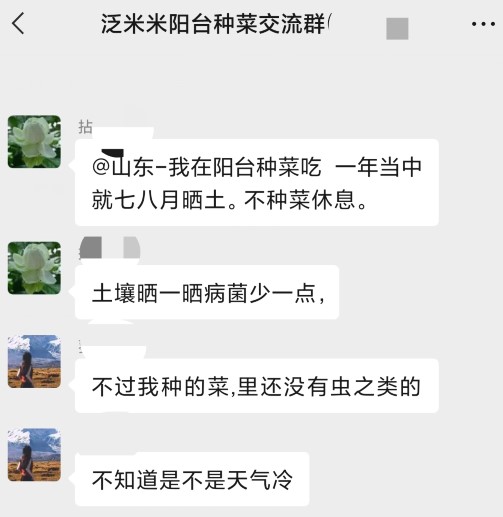 种菜土壤要多久杀菌消毒一次?怎么消毒杀菌?
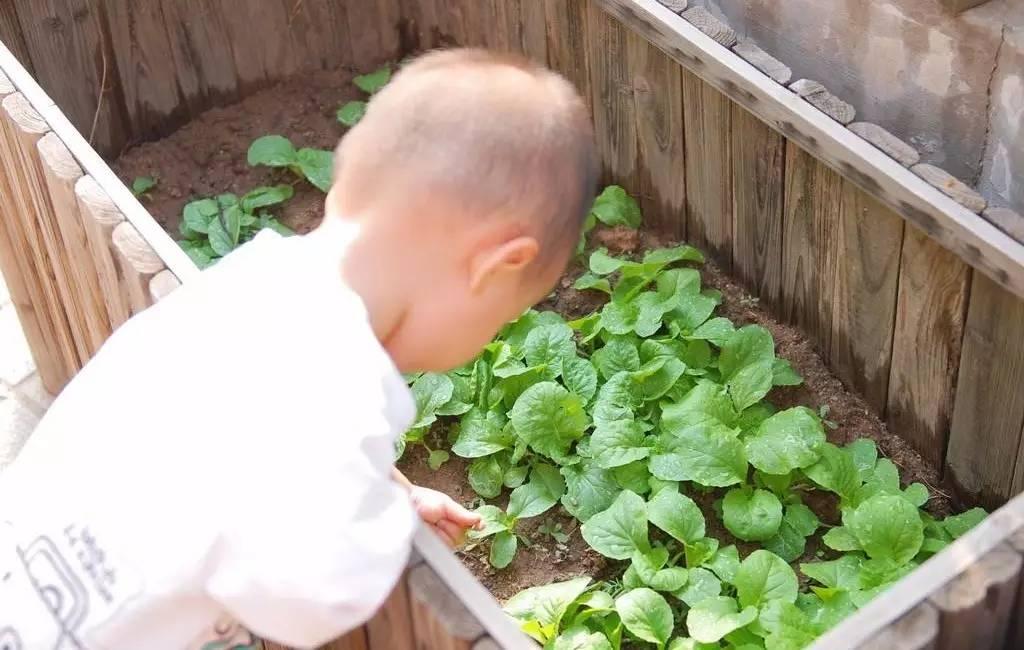 【种菜教授】种菜1年、种菜3年、种菜5年的人分别是什么样?
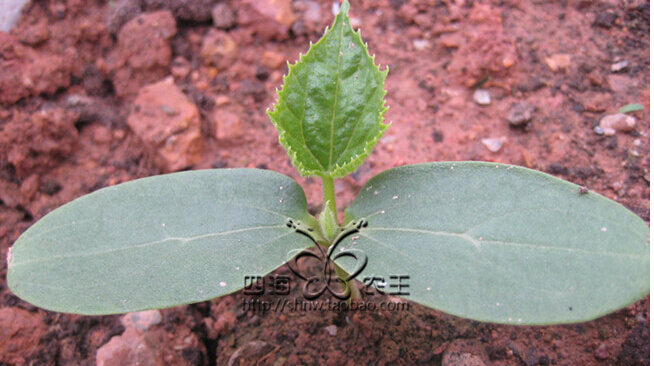 黄瓜阳台盆栽种植方法
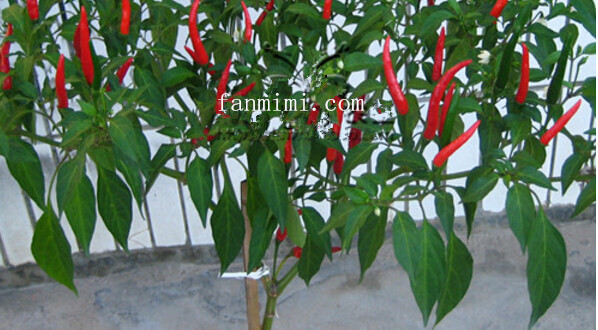 朝天椒阳台盆栽种植方法
 辣椒阳台盆栽种植方法
 茄子阳台盆栽种植方法
 韭菜阳台种植方法
 玉米阳台盆栽种植方法